


Nordex Executives Honest Warning: Britains Wind Plans Are Only as Strong as Its Grid
Britain has the goal. It has the money. It has the turbines ready to turn. What it doesn’t have. According to one of the voices in the wind industry. Is a grid that can keep up.
The Grid Problem No One Can Fix With Turbines
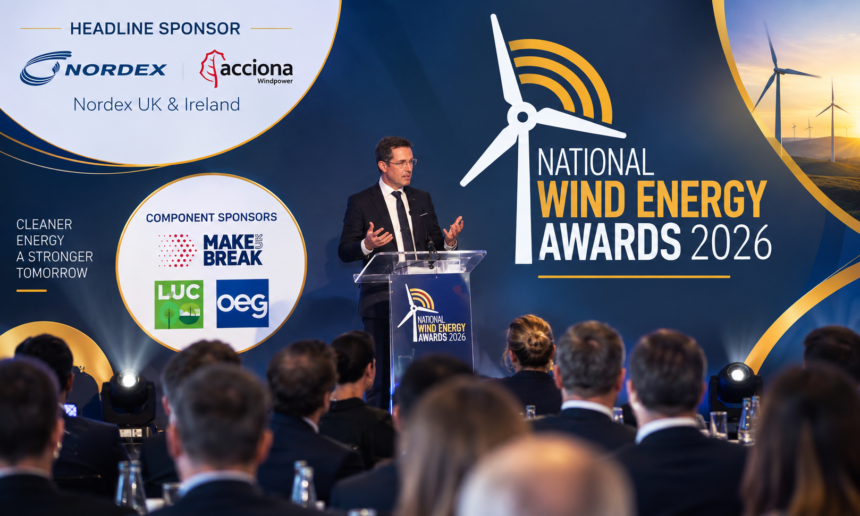
Hayes did not hold back about where the problem really is. The wind industry has everything it needs. Technology, knowledge and investor interest.. None of that matters if projects cannot connect to the grid on time.
His message to decision makers and grid operators was not a complaint but a request for consistency: give the industry a plan for investment and connections and the delays that stop projects before they start will begin to go away. Uncertainty he said, is the problem. Not a lack of money, not a lack of desire but the simple fact that it is hard to plan when the rules keep changing.
His view of the grid was clear: not a part of the system but the actual base on which the whole energy change depends. Get this right he. The jobs, the money and the projects will come naturally.
Planning Changes: The Other Part of the Solution
Grid access was one of two main changes Hayes said were needed. The second was changing how planning works. Specifically making the approval of energy projects faster.
He was careful to present this in a way not just as a complaint. The industry has shown it can work quickly when the conditions are right he said.. He also warned against thinking the hard part is done. Political goals change he reminded the audience. Being too relaxed now would be a mistake because there is still a lot of work to do.
Beyond the Environment: Why Wind Is Now a Business Argument Too?
One of the interesting parts of Hayess talk was his effort to make the case for wind power broader than just the usual environmental reasons. He focused on energy safety, business electricity prices, local infrastructure, jobs, area growth and overall economic progress. Positioning wind not as an extra for the environment but as a way to protect against global fuel prices.
This argument was connected directly to where he sees future demand going. Electric cars, heating systems, new data centers and AI systems are quietly changing Britains power needs and Hayes was clear about the result: every one of these technologies needs a grid that can deliver low-cost clean energy in large amounts.
His view of the system was direct. An electricity system made for the last century is now being asked to run the next one.
The Numbers That Show How Far Britain Has to Go
To highlight how much the UK needs to improve Hayes shared some sobering comparisons. Britain needs to add between eight and ten gigawatts of wind power each year to meet its energy goals. Germany for example is aiming for 15 gigawatts of onshore wind each year. China added a 120 gigawatts of wind power in just one year.
Hayes was quick to dismiss the comparison. No one is saying Britain needs to become China. The real takeaway he said, is that the countries winning this race treat energy infrastructure as a national goal, not a small side project. Faster delivery and big investments in the grid are what make the difference between wanting something and getting it done.
A Optimistic Ending
Hayes ended with a message that was both a challenge and hope. The question of whether wind will matter to Britains energy he said, is basically settled. The real question is whether the industry can move fast enough to take the chance in front of it. His own answer was a yes, as long as government, industry and local communities keep working together instead of separately.