



Trump Threatens Diesel Export Ban as US Presses Europe on Reserves
LONDON/WASHINGTON: The United States is asking Europe to open its diesel reserves while President Donald Trump weighs a ban on American diesel exports. The pressure comes at a time of global shortage, with fuel prices already climbing sharply because of the war in Iran.
What Trump and Bessent said?
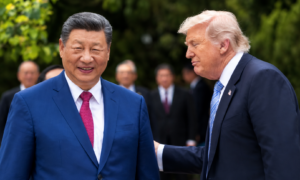
Trump said he may ask European countries to release part of their diesel stocks. Speaking about the possible export ban at the weekend, he said the administration was “thinking about it very seriously.”
Treasury Secretary Scott Bessent went further. In a social media post, he urged Europe to deliver on its existing commitments faster and to make extra supplies available immediately. His argument was that American farmers, truckers and businesses should not be left to carry the cost of rising prices.
Why diesel is so tight?
Fuel prices have surged worldwide since the US-Israel war in Iran began in February. The closure of the Strait of Hormuz, a route that normally carries around a fifth of the world’s oil and gas, has pushed up the cost of oil-based products. An export ban from Russia, another major diesel supplier, has added to the strain.
The US sits at the centre of this market. It exports between 1.2 and 1.5 million barrels of diesel a day, so any restriction would be felt well beyond its borders.
The political angle
The timing matters. US midterm elections are only weeks away, and control of Congress is at stake. Trump is due to campaign across the country for Republican candidates. He has argued that keeping surplus diesel at home would lower pump prices and give quick relief to drivers, truckers and businesses.
Experts see the other side of that trade. David Fyfe, chief economist at Argus Media, warned that cutting off American supply would probably send international prices soaring.
How the UK and Europe are responding?
On Thursday, UK Energy Minister Martin McCluskey joined a call with European counterparts to discuss a possible coordinated release of reserves in response to any US ban. A source familiar with the talks told the BBC that preparing a joint response with EU countries was the sensible course. The source added that some European stocks remain from a coordinated release of strategic fuel earlier this year.
A UK government spokesperson said the country has a diverse and resilient supply and continues to work with international partners and the domestic fuel industry. Ministers have said there is no cause for concern about shortages, although prices are expected to rise further.
A European Commission spokesperson said there were “lots of calls, lots of meetings” under way, including high-level contacts with the US administration.
What it means for UK drivers and businesses?
The RAC says diesel hit a record high in the UK this week, with the average pump price at 199.79p per litre, up from 142.38p.
The UK is particularly exposed. Its four refineries produce more than enough petrol, but not enough diesel for national needs, so the country relies heavily on imports. Diesel is also harder to refine than petrol, and haulage and agriculture depend on it, which makes demand difficult to cut.
Diesel vehicles remain common on British roads. Department for Transport figures show 15.1 million at the end of June, down from 15.7 million a year earlier. That includes 9.8 million diesel cars, compared with 10.4 million the year before.