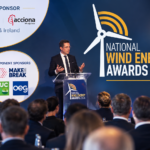



Finance Earth, FSD Africa and FSD Africa Investments (FSDAi) have launched a $100 million financing platform to speed up investment in African nature-based carbon and biodiversity projects. It is called the Africa Nature Impact Fund, and it was announced at the Carbon Markets Africa Summit in Kigali.
The Funding Target
The $100 million figure is a target, and the money has not all been raised yet. The platform is aiming for a $20 million first close in 2027, backed by a proposed $6.6 million cornerstone commitment from FSDAi. The fund is aimed at early-stage nature and carbon projects, which often struggle to find money before they start earning revenue.
The Financing Gap It Wants to Close
The backers say more than 62 per cent of Africa’s GDP depends on natural capital. Even so, investment in biodiversity protection and nature-based carbon projects remains too small, which makes it hard to build conservation initiatives that can stand on their own commercially.
To close that gap, the fund plans to offer patient capital, technical support and financing structures that put community participation first.
What the Fund Aims to Deliver?
According to the announcement, the fund targets the following outcomes over the lifetime of its projects:
- Land: 4.5 million hectares protected or restored across Africa
- Carbon: more than 100 million tonnes of CO₂e avoided or sequestered
- Species: more than 60 animal and plant species protected
- People: better livelihoods for 1.4 million people, with women making up half of the beneficiaries
These are goals set by the fund’s backers, and results will depend on which projects it ends up financing.
A Pipeline Built on CAPE
The new fund builds on FSD Africa’s Carbon Accelerator Programme for the Environment (CAPE), which is delivered together with Finance Earth. CAPE has assessed more than 300 projects and built a pipeline representing over 3.4 billion tonnes of potential CO₂e impact across 76.5 million hectares. That pipeline gives the fund a ready list of projects that could draw institutional investors.
Africa Nature plans to finance projects at several stages: preparation, commercial piloting and full implementation. The idea is to help a project move from pre-revenue development into operations backed by sustainable, contracted income.
Community Revenue and African Ownership
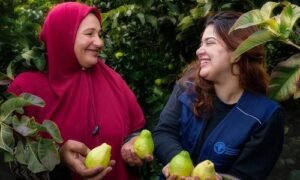
Sharing benefits with communities is a core part of the investment strategy. The fund will back projects with meaningful arrangements that give host communities a substantial share of gross carbon revenue. Over the life of the projects, the platform targets about $450 million in community benefits.
The fund also wants to strengthen the ability of African financial institutions to finance and manage nature-based assets. Working with FSD Africa and regional partners, it will support carbon market readiness among local banks and investors. The aim is to keep more economic value, financial ownership and governance capacity inside African markets.
Why It Matters?
Carbon and biodiversity projects often fail at the early stage, when they need money for preparation but have no income yet. A fund that targets that stage, and that writes community revenue sharing into its terms, speaks to two common criticisms of carbon markets: that finance arrives too late, and that local people see too little of it. Whether it succeeds will depend on reaching its first close in 2027 and on how the projects perform once they are funded.