


Barend van Bergen Honoured for Sustainability Leadership: Roche CSO Ranks 11th Globally
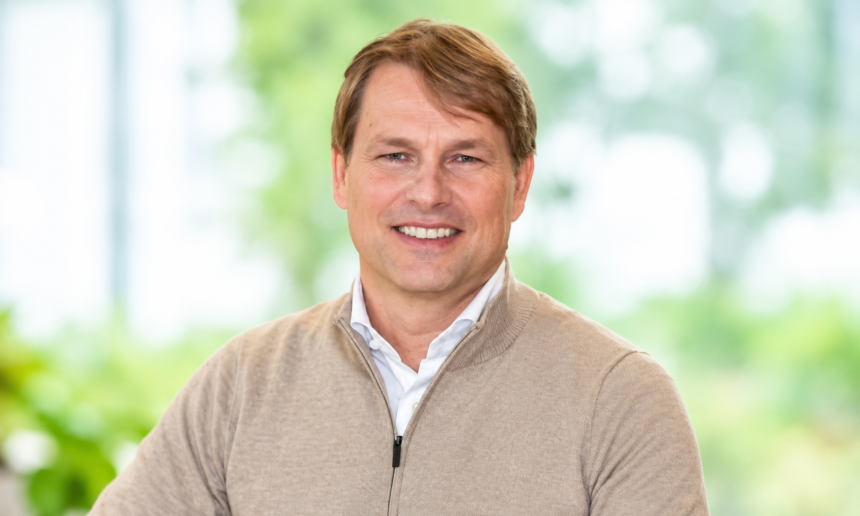
Roche’s Chief Sustainability Officer, Barend van Bergen, has secured 11th position in Sustainability Magazine’s Top 250 Sustainability Leaders 2026 list. The ranking recognises his work in environmental stewardship and in building climate action into core business strategy so that it creates lasting value.
A Career Built Around Sustainability
Van Bergen’s path to the CSO role is a long one. He graduated in 1994 from Eindhoven University of Technology with a degree in Industrial Engineering & Innovation Services. He then founded and worked at an environmental consulting practice, which marked the start of his sustainability career.
He went on to spend more than 18 years at KPMG, where he led the development, launch and global rollout of the KPMG True Value methodology. The approach helps companies measure their societal value and put a monetary figure on it. Between 2011 and 2013, he also set up and headed KPMG’s Global Centre of Excellence for Climate Change and Sustainability.
In 2017, he joined EY Sustainability as a Partner, advising clients on sustainability and ESG strategies designed to create value for both business and society. After more than seven years there, he moved to Roche as Chief Sustainability Officer.
Roche’s Sustainability Approach
Roche’s strategy rests on two goals: improving access to healthcare and reaching net zero emissions. In 2025, it became the first pharmaceutical company to have both net zero and absolute zero climate targets validated by the Science Based Targets initiative (SBTi).
Its decarbonisation roadmap focuses on cutting emissions directly rather than relying on offsets. Each site runs its own plan for Scope 1 and 2 reductions. The company already sources 100% sustainable electricity globally, and its new facilities are designed so that they add no net carbon.
The diagnostics division is working on greener manufacturing, packaging and shipping. It also aims to double the number of patients reached with high-medical-value diagnostics by 2029, compared with 2020. Behind all of this is the company’s view that long-term business success and a healthier planet go hand in hand.
What Has Van Bergen Changed at Roche?
Since joining in 2024, van Bergen has been responsible for setting and driving the group-wide sustainability strategy. Roche now organises its efforts around six priorities:
- Healthcare access
- Health equity
- Workforce inclusion
- Climate action
- Sustainable product lifecycles
- Biodiversity
He has backed programmes with direct health impact, including wider pre-eclampsia screening across Latin America and the launch of EMPOWER 2.0 in Kenya, which has screened more than 300,000 women for cervical and breast cancer. His thinking links planetary health, human health and prosperity as one connected issue.
He has also pushed for changes in how the company operates day to day, such as making product lifecycle assessments more systematic and extending them across the whole portfolio. Roche was an early adopter of the EU’s Corporate Sustainability Reporting Directive (CSRD) framework and reports its progress against these priorities in its annual report.
Recognition for Nature Targets
Under his leadership, Roche has received independent validation under Steps 1 and 2 of the Science Based Targets Network (SBTN) framework. This covers its assessment of its impact on nature and its decision on where action matters most.
Van Bergen shared the milestone on LinkedIn, saying the validation gives Roche a science-based foundation to focus on water and biodiversity. He added that there is more work ahead and thanked the Roche colleagues who contributed.
Why This Ranking Matters?
A top-15 position among 250 global leaders shows that Roche’s approach, which combines measurable climate targets, health access and nature protection, is being noticed beyond the pharmaceutical sector. It also suggests the industry is treating sustainability as part of core strategy rather than a side project.