


Tesla Roadster Flies and Drives Upside Down in SpaceX-Backed Demo
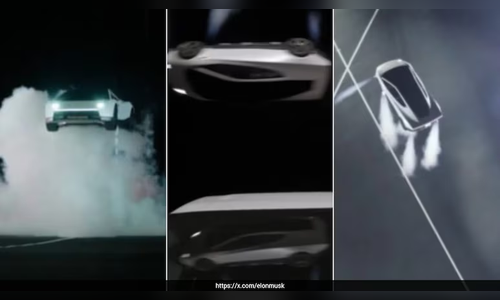
Tesla has shown its redesigned Roadster driving upside down, taking brief flight and landing safely, a demonstration that brings the idea of a flying car a little closer to public attention. Everyday use, though, is still a long way off.
The demonstration took place on October 15 at a SpaceX facility in McGregor, Texas. It came nearly nine years after Tesla first unveiled its next-generation electric sports car.
What happened at the demonstration?
The vehicle drove up a large curved ramp, continued along it upside down, then flew through the air before landing safely. Tesla described the stunt as a showcase of technology developed together with SpaceX, Elon Musk’s rocket company.
Musk shared a video of the demo on his social media platform X with the caption: “Turns out the future does have flying cars.”
The technology behind the stunt
The redesigned Roadster uses cold-gas thrusters developed by SpaceX. These work by releasing pressurised gas to generate thrust. Combined with other specialised systems shown at the event, they allow the car to make movements a conventional road car cannot.
What the demo does not prove?
It is worth being clear about the limits. The demonstration was staged under controlled conditions, and there is no indication that the Roadster is approved for airborne operation on public roads. Regulatory approval, safety and everyday practicality are all questions that remain unresolved.
In other words, this was a showcase of capability, not a sign that flying cars are about to reach ordinary drivers.
A long wait for the Roadster
Tesla first announced the next-generation Roadster in November 2017, with production expected much earlier than now planned. The project has seen repeated delays, leaving customers waiting for years.
Following the unveiling, reports say Tesla now plans to begin production in 2028. Buyers who want the redesigned car will have to wait a while longer.
What this means?
The demo offers a glimpse of what future vehicles might be able to do. It is still too early to say whether flying cars will become a practical part of daily transport. For now, the latest Roadster has pulled the idea back into the spotlight, even as its commercial future stays uncertain.
Frequently asked questions
Did Tesla really show a car that flies?
- Yes, in a controlled demonstration. The redesigned Roadster drove up a curved ramp, drove upside down along it, performed brief airborne manoeuvres and landed safely.
Where and when did the demo take place?
- At a SpaceX facility in McGregor, Texas, on October 15.
What technology lets the Roadster do this?
- SpaceX-developed cold-gas thrusters, which use pressurised gas to produce thrust, along with other specialised systems shown at the event.
Can the Tesla Roadster fly on public roads?
- There is no indication that it is approved for airborne operation on public roads. Regulatory, safety and practicality questions remain open.
When will the new Tesla Roadster go into production?
- Reports following the unveiling say Tesla plans to begin production in 2028. The car was first announced in November 2017.
What did Elon Musk say about the demo?
- He shared a video on X with the caption: “Turns out the future does have flying cars.”