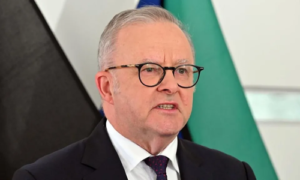



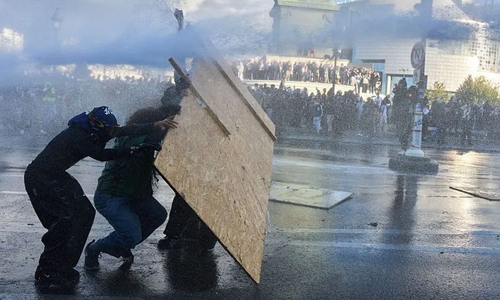
Paris: After three weeks of street protests led largely by high-school students, the French government has made its first real concession. Education Minister Edouard Geffray promised 3,000 additional supply teachers, to be deployed within days, in a television interview on Thursday evening. The interview came at the end of another day of demonstrations, some of which turned violent.
The offer is a meaningful signal, but student leaders say it falls well short of what they are demanding.
What the Minister Announced?
Geffray said new software at the education ministry will let officials direct supply teachers to the schools that need them most. The 3,000 teachers will be sent to roughly 500 lycées (French upper secondary schools) identified as facing the greatest shortages. Many of these schools are likely to be in suburbs of large cities, where gaps in teaching staff are felt most sharply.
Two further commitments came with the announcement:
- More funding under an existing scheme that pays teachers for overtime hours, so that they can cover gaps in timetables.
- A promise that students’ grievances will be considered in the coming discussions on the education section of the 2027 state budget.
The problem the minister is addressing is not new. Everyone involved in French education has long accepted that too many lessons are lost because teachers are absent and are not replaced by available substitutes. That is why the pledge matters: it is the first time the government has acted directly on a complaint the protesters share with much of the school system.
The Scale of the Protests
Thursday was billed by unions as “Act Four” of the movement. According to the figures reported, about 71,000 people took part in demonstrations across the country, including around 24,000 at the Bastille in Paris.
The day again saw confrontation. Police used tear gas to disperse groups who threw paving stones and homemade fireworks at officers. In Bordeaux, protesters ransacked a lycée, and in Marseille a deputy head teacher was beaten.
The government says 6,877 people have been arrested since the protests began, and 86% of them are under 18. The movement started with demands for more resources in secondary education.
There are some signs of easing. On Friday, about 140 of France’s 3,500 lycées were fully or partially closed, a clear drop from earlier days. Even so, another day of action has been called for next Tuesday.
Why Students Are Not Convinced?
The reaction from student organisations has been cautious at best.
Nathanaël Combary of Renouveau Lycéen, the most moderate of the three main lycée unions, said some of the announcements match part of what students want. But he added that students expect to see the money and concrete results, and will wait to judge how the pledge is carried out.
The tone from the Union Etudiante, a student union close to Jean-Luc Mélenchon’s France Insoumise party, was harder. Its representative, Sabrine Kharbach, said the action would continue until €10 billion is on the table. Mélenchon himself, the party’s presidential candidate, praised Thursday’s marches, saying on X that the students had “retaken the Bastille”.
The gap between these positions is the core of the problem. The announcement redirects existing staff more efficiently, but it contains no large new investment of the kind the protesters are asking for.
A Political Balancing Act
The government has good reason to be careful. France’s debt position is being watched closely by international financial markets, and ministers do not want to appear to be buying social calm with large spending promises.
The criticism from the other side of politics shows the risk. Laurent Jacobelli, a spokesman for the hard-right National Rally, condemned the concession. His argument was that “if you break things, you get given stuff”, and that attacking police and burning cars is being rewarded and legitimised.
So the government is squeezed from both directions: too little for the protesters, too much for those who see the unrest as lawlessness.
The Wider Mood in France
This is the most serious student unrest in France in many years, and it is not happening in isolation. Anger over rising fuel prices and distress in the farming sector could also trigger demonstrations. A revived “yellow vest” movement has marked Saturday, 17 October, as a day of protest.
Presidential elections are due next spring, in April and May, and both the hard right and the hard left are expected to do well. That is sharpening the confrontational mood.
What Happens Next?
The government appears to be hoping that time will help. The half-term holidays at the end of next week, along with colder and wetter weather, may take some of the energy out of the protests.
The next real test comes sooner: Tuesday’s day of action. If turnout stays high, the 3,000-teacher pledge will look like only a first step, as the headline says. If it falls, the government may feel its strategy of limited concessions is working.