


Every year on 16 October, governments, businesses, farmers and ordinary people in more than 150 countries mark World Food Day. The aim is simple to state and hard to achieve: make sure everyone, everywhere, has enough safe and nutritious food.
The day puts hunger, food security and sustainable agriculture in the spotlight, and asks a practical question: what can be done about them? This year’s answer centres on innovation.
Key Takeaways
- Date: World Food Day is observed every year on 16 October.
- Organiser: the Food and Agriculture Organization (FAO), the United Nations agency leading the global fight against hunger.
- Reach: celebrated in more than 150 countries.
- This year’s theme: ‘Innovate today. Nourish tomorrow.’
- Example of innovation: an FAO and Institut Pasteur du Cambodge project that uses drones to catch disease threats early.
What Is World Food Day?
World Food Day is an annual observance created by the FAO. The organisation set it up at its 20th General Conference in November 1979. The date was chosen to mark the anniversary of the FAO’s founding in 1945.
Its purpose is threefold: to raise awareness of the scale of world hunger, to push for action on behalf of people who go without enough food, and to make the case for healthy diets for all. Hundreds of events and outreach activities bring together governments, businesses, NGOs, the media and the public. That reach is why it counts among the most widely observed days on the UN calendar.
This Year’s Theme: ‘Innovate Today. Nourish Tomorrow’
Each year’s theme reflects the challenges and opportunities of the moment. This year the focus is on how science, technology and innovation can help build food systems that feed people today while protecting the resources future generations will rely on.
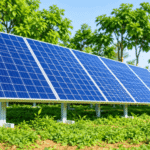
The central idea is that innovation is the route to agrifood systems that are resilient, inclusive and sustainable enough to feed a growing and changing world. It is already changing how food is produced, stored, transported and brought to market.
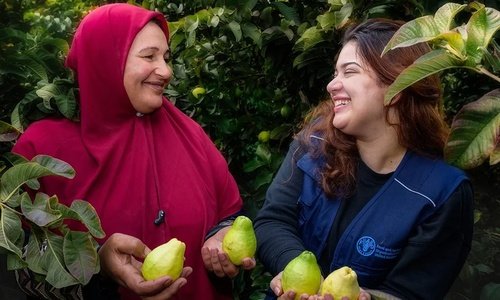
Innovation here is not only about laboratories and high technology. It draws on scientific advances, and it also draws on the practical knowledge of farmers, fishers, herders and foresters. Investors, policymakers and entrepreneurs have a part to play as well, because changing a food system takes action from everyone in the supply chain.
In practice, agrifood innovation can include:
- Digital advisory services and data systems
- Improved seed varieties and biotechnologies
- Farmer field schools and cooperative models
- Traditional land and water practices
- New approaches to production, markets, finance and distribution
A Closer Look: Drones That Spot Disease Early
One example from the FAO shows how this works on the ground. In rural Cambodia, a joint project between the FAO and the Institut Pasteur du Cambodge is using drones to detect disease threats before they reach animals or people.
The team flies drones into cave entrances to collect environmental DNA from the air. PCR machines and sequencers then identify known or new pathogens within days. The work focuses on places where wildlife and farmed animals overlap, such as poultry farms and live animal markets.
The timing matters. Recent outbreaks of African swine fever and avian influenza have shown how quickly animal diseases can spread, and the project is a significant step towards global preparedness. According to the FAO, the technology allows faster, safer and cheaper surveillance than traditional methods.
- Vincent Martin, Director of the FAO’s Office of Innovation, points out that the boundaries between wildlife, humans and livestock are increasingly blurred. In his view, this approach to early detection of zoonotic diseases does more than solve a single problem, since it can help prevent an epidemic in both animals and people.
Why It Matters?
World Food Day is easy to treat as a date on a calendar. Its real value is in the questions it forces into public view: who is still going hungry, how food can be grown and moved without exhausting the land and water it depends on, and which new tools are ready to help.
This year’s message is that no single group can answer these questions alone. Farmers, scientists, businesses and governments each hold part of the solution.
Frequently Asked Questions
When is World Food Day celebrated?
- Every year on 16 October.
Who started World Food Day?
- The Food and Agriculture Organization (FAO) of the United Nations created it at its 20th General Conference in November 1979.
Why is 16 October the date?
- It marks the anniversary of the FAO’s founding in 1945.
How many countries observe World Food Day?
- More than 150 countries.
What is this year’s World Food Day theme?
- ‘Innovate today. Nourish tomorrow.’ It highlights the role of science, technology and innovation in building resilient, inclusive and sustainable food systems.
What does innovation in food systems include?
- It covers digital advisory services, data systems, improved seeds, biotechnology, farmer field schools, cooperative models, traditional land and water practices, and new approaches to markets, finance and distribution.