


The Data Center Boom Has Five Toll Gates. Many Projects Are Stuck at the First Few
Demand is not the problem. Getting a data center built, powered and accepted by its neighbours is.
Quick Take
- The U.S. data center boom is still moving, but building one is harder than announcing one.
- A recent Utility Dive report says shortages of skilled labor and equipment, along with local opposition, are threatening even high-profile projects backed by big tech companies.
- Each project has to clear five gates: power, equipment, people, permits and public support.
Why This Story Matters?
Every few weeks, a new data center campus is announced with a big number attached. The companies behind them are among the richest in the world, so it is easy to assume money settles everything.
It does not. The recent Utility Dive report describes a boom that is strong on demand and forecasts, yet uneven on delivery. A project can have a famous tech company’s name on it and still stall. That is the gap this explainer looks at.
Gate 1: Power
A data center is, at its core, a very large electricity customer. Before anything else, it needs a grid connection with enough spare capacity.
In many popular locations, that spare capacity is limited, and utilities may take years to study and approve new connections. Some developers respond by generating their own power on site or by looking at regions with more room on the grid. Both routes bring extra cost and extra complexity.
Gate 2: Equipment
Even with a power plan, the hardware has to arrive. Large electrical equipment such as transformers and generation gear is built to order by a small number of manufacturers, and demand from many industries is competing for the same production slots.
The practical effect is time. A project’s construction schedule can be perfectly planned and still wait on a delivery that arrives later than hoped.
Gate 3: People
Data centers are physical buildings, and they need electricians, pipefitters and other skilled trades. The same workers are in demand for factories, energy projects and other large builds, often in the same regions.
The Utility Dive report points to skilled labor shortages as one of the pressures on projects. This is a less glamorous problem than chips or power, yet it can slow a site just as much.
Gate 4: Permits
Every project needs approvals from local, regional and federal authorities. Each layer can add review time, conditions or delays. Projects that try to move fast by using on-site generation can run into their own permit requirements.
For developers, this gate is often the least predictable, because outcomes depend on local officials and local rules.
Gate 5: Public Support
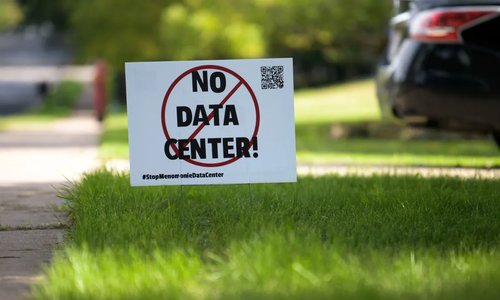
This is the gate that has changed most recently. Communities are asking harder questions about water use, electricity costs, reliability and how a large facility will change daily life nearby.
The Utility Dive report notes that this opposition is showing up in places once seen as welcoming to data centers. It also shows that public pushback can affect even projects tied to major technology companies.
Our Analysis: What It All Means
The following is editorial analysis, not reported fact.
The useful way to read this story is as a shift in where the risk sits. A few years ago, the main question was whether AI demand would be big enough. Now the question is whether the physical world can keep up with it.
That has three practical consequences:
- Announcements and completions are different things. A headline capacity number tells you what a company hopes to build, not when the lights will actually come on.
- Utilities face a planning problem. They plan grids years ahead. If some announced data centers stall while others surge, forecasting becomes harder and more expensive to get wrong.
- Community trust is now a business input. Developers who explain water use, power costs and local benefits early may have an easier path than those who do not.
What to Watch Next?
- Whether more projects choose smaller sites or locations with spare grid capacity.
- Whether on-site power becomes a normal part of new data center plans.
- How local governments respond as more communities weigh in on new proposals.
- Whether equipment and labor pressures ease over the next few years.
Frequently Asked Questions
Is the data center boom slowing down?
- Not according to the Utility Dive report, which says construction activity and near-term forecasts remain robust. The issue is that delivering projects on time is getting harder.
What is slowing data center projects?
- The report points to shortages of skilled labor and equipment, along with local opposition, and notes that these can threaten even high-profile projects backed by big tech companies.
Why does local opposition matter so much?
- Communities can influence permits, zoning and local approvals. When opposition grows, projects can be delayed, changed or cancelled.
Why do data centers need so much power?
- They run large numbers of servers around the clock and need constant cooling. That makes them very large electricity customers.
What does this mean for electricity users?
- Uncertainty about how much data center demand will actually arrive makes it harder for utilities to plan. Costs and reliability are among the concerns communities raise.
The data center boom is real, but it is not frictionless. Power, equipment, skilled workers, permits and public support all have to line up, and a delay at any one gate can hold up the whole project.