


Trump Announces Russian Diesel Deal, and Zelensky Calls It a Gift to Putin
Key points
- President Donald Trump says Russia will release 300,000 tonnes of diesel immediately, followed by 500,000 tonnes in November and a further million after that.
- The US Treasury is understood to be suspending sanctions on Russian diesel exports until 7 April.
- Ukraine’s President Volodymyr Zelensky called the move a gift to Putin. Analysts doubt it will do much for pump prices.
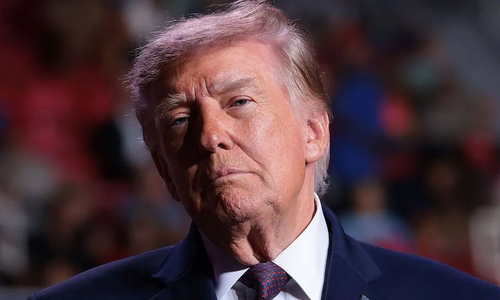
President Donald Trump has announced a deal to bring Russian diesel into the US, a move that comes as he faces growing pressure over fuel costs ahead of the midterm elections.
In a Truth Social post on Friday, Trump said Vladimir Putin had agreed to release 300,000 tonnes of diesel immediately “to the American and global marketplace”. A further 500,000 tonnes would follow in November, he said, and another million after that. He added that three million more tonnes would be delivered “within a short period”, depending on the condition of Russia’s refineries, many of which have been hit by Ukrainian attacks.
What the deal involves?
It is understood the US Treasury is suspending sanctions on Russian diesel exports until 7 April as part of the arrangement. Other Russian assets, including those held in American banks, remain frozen. Shortly after the announcement, the Treasury formally issued a temporary licence allowing Russian diesel into the US market.
Putin later said in a statement that he had spoken to Trump about the global energy situation. “The Russian side confirmed its willingness to supply oil and petroleum products to the US market and global markets at large,” he said. He did not give any figures. Kirill Dmitriev, an envoy for Putin, welcomed the deal on social media, saying Russia-US co-operation on diesel and energy “will benefit the world”.
The BBC has asked the White House what Russia will receive from the US in return. There has been no answer on that point so far.
Zelensky: “Gifts to Putin will not work for peace”
The reaction from Kyiv was sharp. Zelensky called the deal a gift to Putin that amounts to “an investment in a war that must be ended, not prolonged”. He said Russia would repay the diesel with “further terror”.
“We count on America’s fair support for our defence of life, for our defence of people in Ukraine, and on the United States having a correspondingly strong conversation with Russia,” he wrote. “A strong one, not a weak one.”
Zelensky also defended Ukraine’s strikes on Russian refineries, which Trump has criticised for pushing up fuel prices. He said they were a response to Russia’s “years-long campaign of terror against Ukraine’s energy sector”. “Ukraine will not set Russian oil refineries on fire if Russia does not destroy our energy infrastructure,” he said.
A UK government spokesperson said its position “could not be clearer”. The government would keep working with partners to support Ukraine and maintain pressure on Russia through what it called the toughest sanctions regime it has ever imposed.
Will it bring fuel prices down?
Analysts are not convinced. Tim Armitage, an investment strategist at Quilter Cheviot, said the volumes Trump mentioned are “relatively small”. By his estimate, the first tranche equals about 2.25 million barrels, while daily US consumption is around 3.8 million barrels. “It won’t make a material difference to pump prices in the US,” he said.
He acknowledged that two more releases are due, but described the move as “slightly desperate” and aimed at easing inflation before the midterms.
There is also a question over whether Russia can deliver. Two waves of severe fuel shortages have hit the country this year after Ukrainian drone strikes on its refineries, and Russia introduced a ban on diesel exports earlier in the year. According to the International Energy Agency, Russian diesel production has fallen by nearly 30%.
The pressure behind the decision
The announcement fits a pattern. Trump has spent months dealing with the political fallout from the Iran war, which began in February and sent petrol and diesel prices sharply higher. The AAA puts the average US diesel price at $6.28 (£4.74) a gallon. That is down from the record $6.53 set at the end of September, but still high enough to feed inflation and hurt his standing with voters.
Brent crude remains above $103 a barrel. Before the war with Iran it traded at about $73.
Earlier this week, Trump said he was “thinking about” suspending the federal tax on gasoline. He also said red dye diesel could be used on US highways without federal tax. He has also pressed G7 nations into releasing 100 million barrels of oil and diesel from stockpiles, and previously backed calls for a ban on US diesel exports.
A reversal on sanctions
The deal marks a notable change of direction. Congress recently passed legislation, signed by Trump, authorising new US sanctions and tariffs on nations that import Russian oil and gas. An agreement that lets Russian diesel into the American market now opens him to criticism from European allies and pro-Ukraine politicians in the US, who may argue that Washington is helping to fund Moscow’s war.
What remains unclear is the deal’s actual effect on prices, what Russia gets in return, and whether Moscow’s damaged refineries can supply the volumes promised.