



The AI industry is becoming a hotspot for espionage. Experts say the danger is real. The situation around Nvidia CEO Jensen Huang is still unfolding,. The bigger issue isn’t just one person. It’s about an industry that holds some of the world’s most valuable secrets, yet has done little to protect its people from old-school spy tactics.
The AI industry has become a target. Why? Because the information held by these companies is now more valuable than ever. Chip designs, model blueprints, data center strategies, export plans and customer lists. All of it can be accessed through a person. The CEO, in cases, is the shortest path to all of it.
That’s what former CIA officer Aaron Brown points out. He runs a software company called Lumbra. Says that founders and executives are rarely trained in counterintelligence. They don’t expect to be targeted.. Now, the highest-value intelligence is no longer in government labs. It’s in AI and semiconductor companies.. That makes them attractive to foreign intelligence services.
The case involving Jensen Huang and Alice Huang has brought this issue into the spotlight. Alice Huang, an executive at a Singapore-based company called neocloud, is accused of being a Chinese spy. She is said to have helped smuggle Nvidia chips. Billions. Into China. These are allegations. The facts are still being investigated.. What’s clear is that the story has opened up a bigger conversation.
OpenAI, for example, has already warned its staff to be cautious around people who’re unusually friendly or who want to get close too quickly. Experts stress that the danger doesn’t stop at the top. Board members, engineers, researchers and even executive assistants can be targeted. Anyone with access to data is at risk.
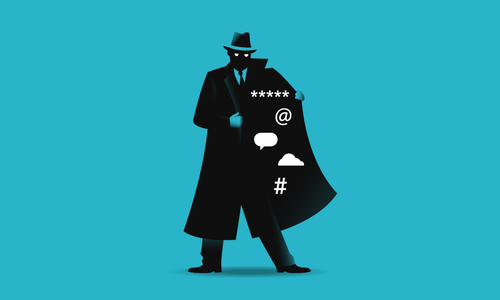
It’s not always romance. People often picture a honey trap as a love affair.. Brown says friendship is the oldest form. Spies don’t need to fall in love with their targets. They just need to build trust. They come in as investors, customers, recruiters or consultants. Their questions seem normal. Their intentions seem genuine. They are building a relationship, not a romance.
Perry Carpenter, a criminologist and chief deception strategist at KnowBe4, puts it this way: Why break through a firewall when you can befriend the person who opens the door? The goal is not to seduce. It’s to make the target feel safe enough to share more.
There’s an irony here. Tech leaders spend their lives building systems that automate behavior. They build AI that thinks, learns and predicts.. They remain vulnerable to the simplest of human needs: the desire to be understood, to be seen, to be valued.
AI is making these schemes easier and cheaper. What used to take months or years of preparation can now be done in a fraction of the time. Attackers use AI to research a target’s life, create profiles, invent realistic backstories and even mimic voices. They can make phone calls that sound real. But here’s the key: the deception still depends on connection. No amount of AI can replace the bond that makes someone feel safe.
Brown says the AI industry has become a security concern faster than its culture could adapt. He warns that the worst part of being manipulated is that it doesn’t feel like manipulation. It feels real. It feels like a connection. It feels like fortune.
So what are the warning signs? Perry Carpenter suggests looking for patterns:
– Meetings that keep happening, even though they seem to come out of
– A sudden, intense interest in your work, your team or your company’s plans
– Requests to keep conversations or meetings private
– Pressure to introduce someone, share information or make a decision
– Requests that grow steadily, pushing you past what you would normally accept
Brown has a simple test: Would this person still be around if you lost your job tomorrow?
On a personal level, Carpenter says set clear boundaries between your work and your private life. Pay attention to when your emotionsre driving your decisions. That’s when you might be falling into a trap.
For companies, the advice is about culture. Eliminate the idea that executivesre above the rules. That culture of ” exceptionalism” makes the environment more dangerous.
Brown asks a question: Do your employees feel safe raising concerns? Can they question requests without fear? A company where no one dares to challenge the CEO is one that’s already been compromised.
Brown’s final message is balanced. Founders must take risks. They must build relationships. But they also need to know: you are being watched. You are being targeted.. The most dangerous attacks don’t look like attacks at all. They look like friendship.
FAQs
What is a honey trap in the tech industry?
- A honey trap is a method where someone builds a personal relationship. Romantic or otherwise. With a person who has access to valuable information, in order to gain secrets or influence.
Why are AI companies being targeted?
- Because they now hold technology like chip designs, model details and export plans.. Unlike government agencies, many don’t train employees on how to spot spy tactics.
Do honey traps always involve romance?
- No. According to Aaron Brown, friendship is the form. Attackers often pose as investors, customers, recruiters or consultants.
How is AI changing honey-trap attacks?
- AI helps attackers research targets, create identities and even make fake voice calls.. The real success still depends on human relationships.
What are the warning signs of a honey trap?
- Repeating “coincidental” meetings, interest in your work, requests for secrecy, pressure for introductions and demands that keep growing.
Who in a company is at risk?
- Anyone with access to data. Including executives, board members, engineers and assistants.
How can companies protect themselves?
- By removing exceptions for leaders, encouraging staff to question behavior and providing training in counterintelligence awareness.
📲 Stay ahead of the latest tech and security news. Join Vedax Digital on Telegram: https://t.me/s/vedaxdigital